Hall, Ian Robert (ONZM)
29/07/1946 - 19/05/2026

Twenty years ago, in the introduction to The Truffle Book, I took the opportunity to blame a few friends for sparking my enthusiastic interest in truffles. One was the pioneering New Zealand mycologist, Dr Ian Hall, who died last week.
It’s Ian Hall’s fault, beyond any shadow of doubt. If I hadn’t rung him up to ask for advice about truffle growing – Ian being the scientist who introduced truffles to New Zealand – then I wouldn’t have driven out to Waipara to talk to a pioneering grower, and I wouldn’t have stumbled on the old farmhouse with spectacular views and perfect soil where we have now put down roots, both literally and metaphorically. Ian hasn’t exactly discouraged me in my obsession. Quite the opposite: he’s encouraged me to add two more truffle species to my plantations, and a trial patch of pines infected with saffron milk cap mushrooms. He even brings people to see me and talk truffles.
Ian did rather more than just introduce truffles to New Zealand. He catalysed the growth of truffle growing in Australia and the rest of the southern hemisphere. He and his team at Invermay explored growing many different species of mycorrhizal fungi, all with a view to creating novel crop opportunities for New Zealand growers. His scientific record speaks for itself and his books have been immensely influential, but he touched many lives in many different ways, and I would like here to express my considerable personal debt of gratitude to him.
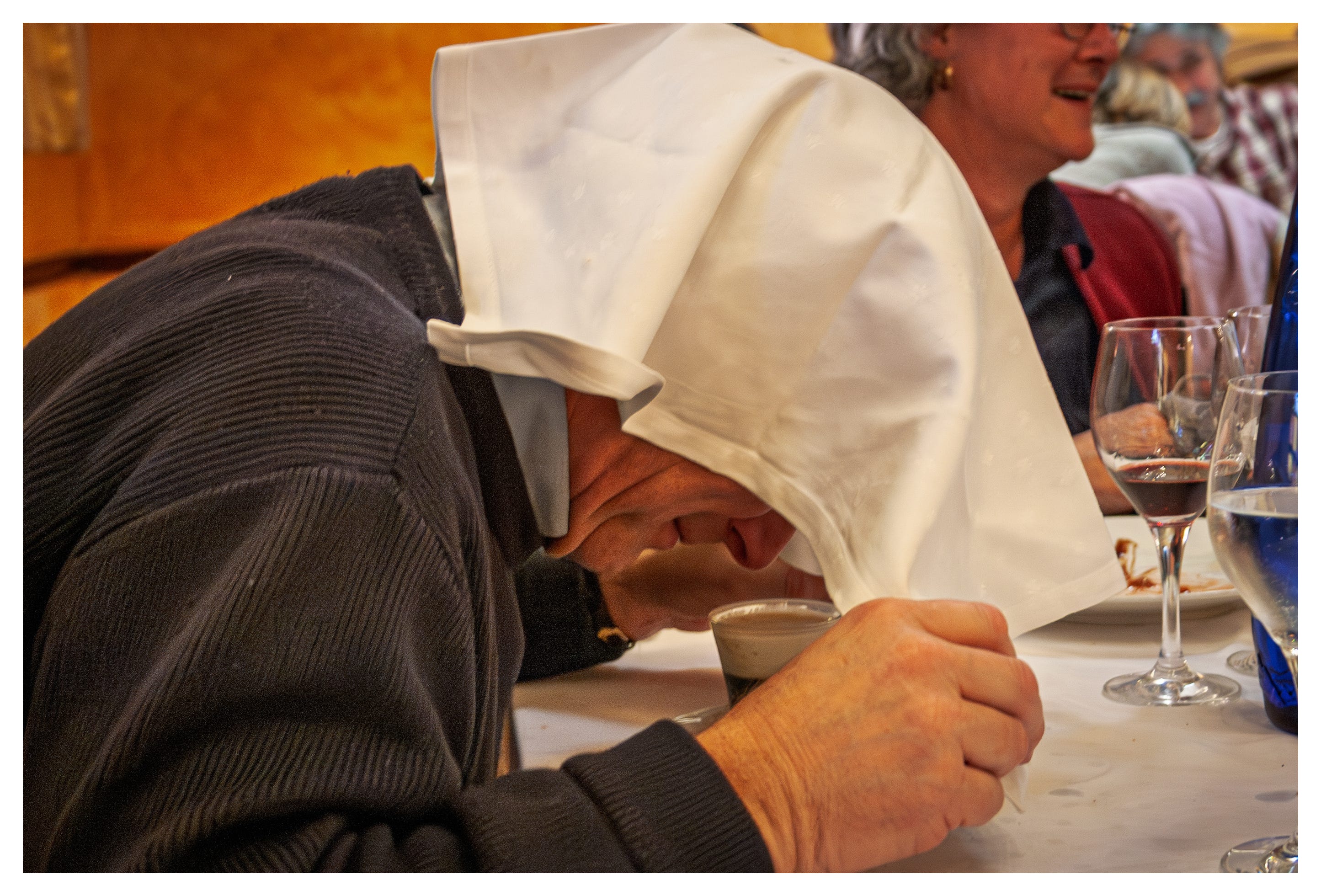
That first phone call with Ian did rather more than kick start our new life as hopeful truffle growers. As we chatted, I explained that I already knew what truffles were because of the recipes and books of that extraordinary character Antonio Carluccio, who went to the great trattoria in the sky in 2017. He also gets a thank you in The Truffle Book:
It’s Antonio Carluccio’s fault too. If the first recipe book Camille bought me after the wedding hadn’t been his Introduction To Italian Cooking, larded with references to the joys of picking and eating wild mushrooms, then I might not have been tempted out into the woods of South West London in search of porcini and chanterelles. Without Antonio’s glowing descriptions of their effects on food, I wouldn’t have known about truffles.
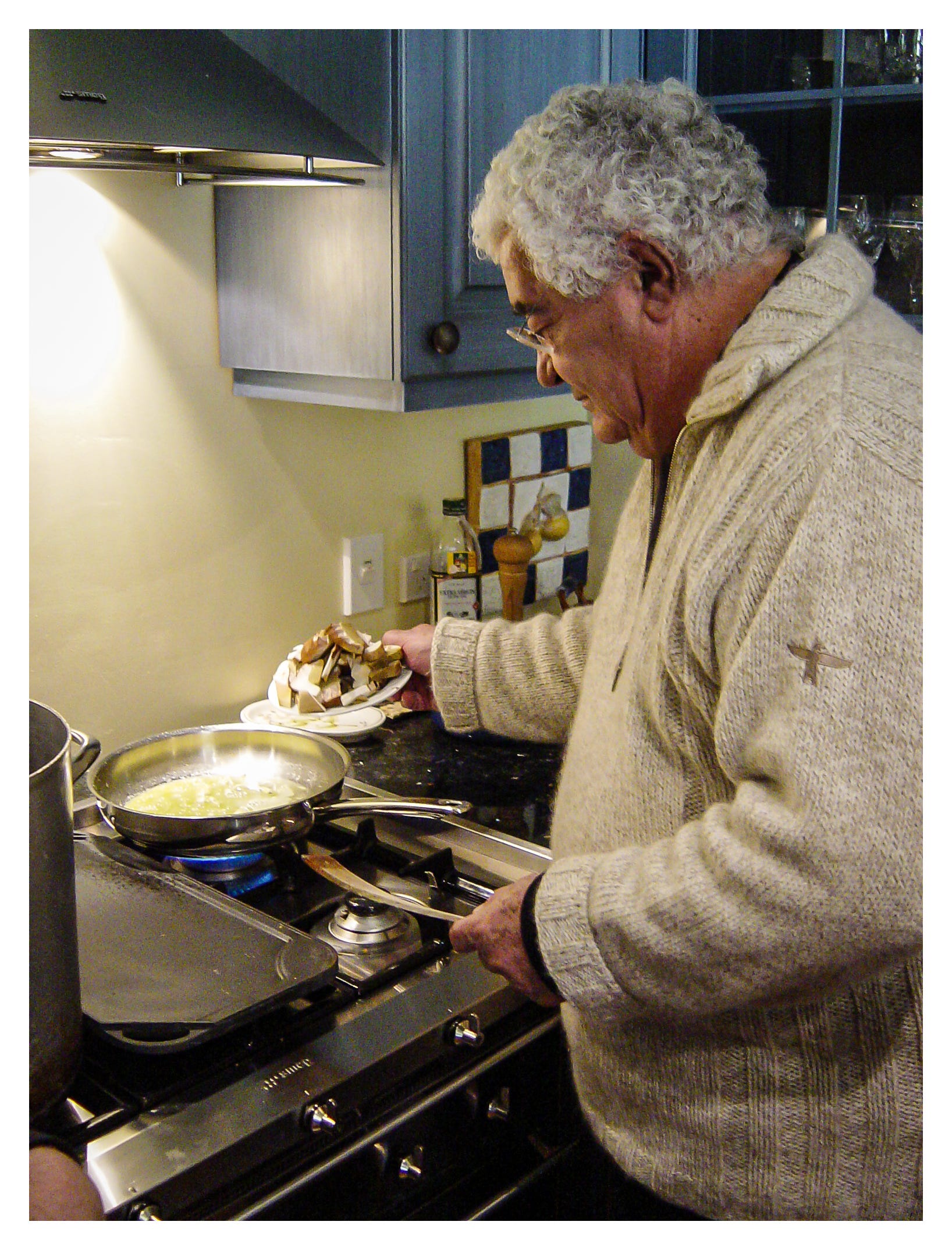
I thought I was giving up on foraging mushrooms by moving to NZ, but Ian started talking about the porcini (Boletus edulis - one of the finest of all edible mushrooms) recently identified growing in Hagley Park. A few weeks later, in early January 1997 the tail end of tropical Cyclone Drena dumped 50mm of rain on Christchurch, and being a good little mushroom hunter, I knew that in around a week there should be some mushrooms to collect. There were.
The foraging competition around the woods of southwest London, in those days mainly expat French and Italians - not forgetting Poles with sticks, or indeed Carluccio himself - was significant. You had to look in every nook and cranny, under ferns and gorse, as far away from car parks as possible. Occasionally, teams of professional pickers would scour the woods and strip them of everything edible. You might be lucky to get home with enough mushrooms for a supper or two.
Christchurch in the mid-90s was different. I took the kids and the in-laws’ dog for a walk in North Hagley Park and could not believe just how many porcini were popping up. We filled a couple of supermarket bags with perfect young porcini. The dog didn’t get much of a walk, but I was in mycological heaven. I began to feel that this new country might have something going for it.
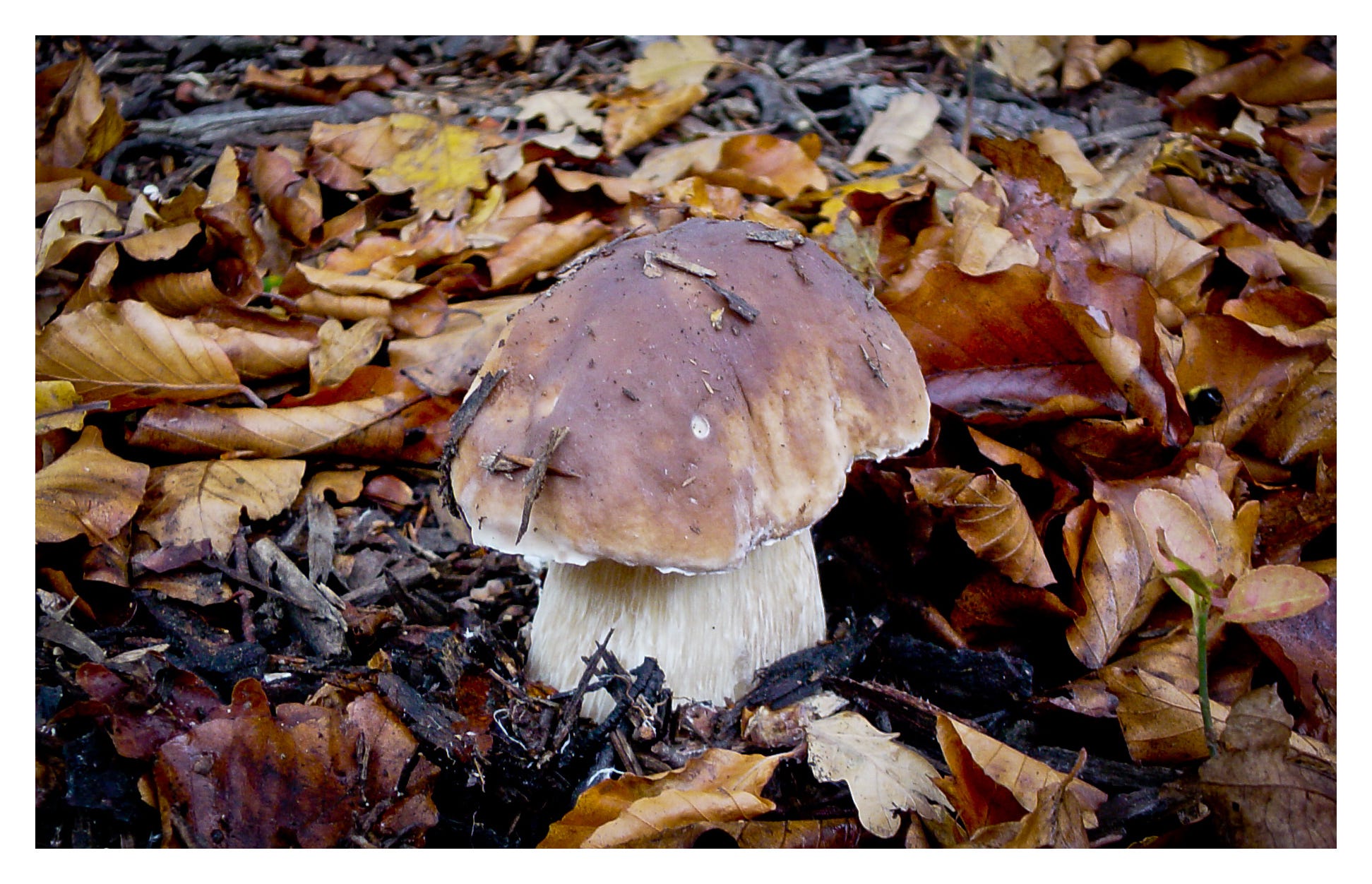
Ian’s involvement in our early years in NZ went well beyond phone calls and porcini. He visited Limestone Hills1 to advise on our initial planting, conducted soil tests that proved we had excellent natural high-pH conditions for truffle, then indulged my burgeoning truffle obsession by suggesting we plant some of the first Burgundy and bianchetto truffle trees his team produced. He let us have some pines inoculated with saffron milk cap mushrooms, another of his successful introductions to NZ. He persuaded me to get involved with the fledgling NZ Truffle Association and nominated me for the executive. He introduced me to other truffle scientists from around the world, many of whom have also become friends.
We worked together on truffle research projects co-funded by the NZTA, and I did what little I could during my years as NZTA president to support his case as management at Crop & Food Research cut funding for his work. That was a deeply frustrating period for Ian and his team. Having demonstrated that truffles were commercially viable, tight-fisted government funding and unreceptive senior management effectively kneecapped his research. Meanwhile, across the Tasman vast plantings of truffieres were being made with plenty of national and local government support. A huge economic opportunity was lost, and Ian justifiably felt bitter about the whole process. I remember one dinner where my teenage daughter asked him about careers in science, and he was blunt about the lack of opportunity for scientists in NZ. Not much has changed since.
Ian’s reputation as one of the top mycorrhizal scientists in the world meant that he was able to rise above these tribulations, both as a consultant in NZ and elsewhere, and especially in academic work in China - the latter being important enough to earn him a Friendship Award from the Chinese government for truffle research in Tibet and Sichuan.
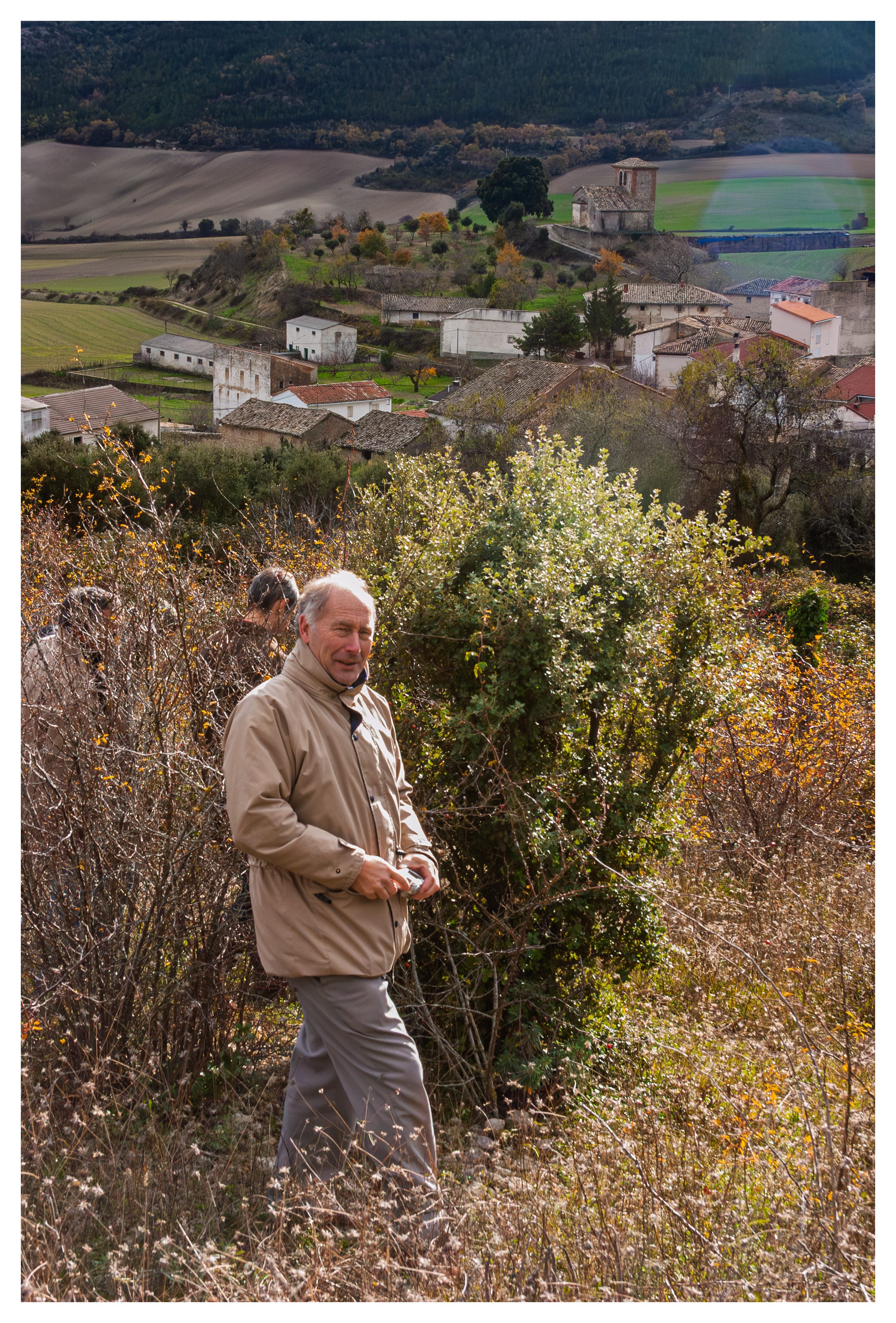
But for all his many achievements, and his considerable influence on the trajectory of my life, it’s the humour of the man that I shall cherish. At NZTA conferences he would often regale the little assembly with tales from his travels, always told in a dry, self-deprecating tone, and inevitably hilarious. I tried to persuade him to put his stories in a book, but that was not to be.
He was great company, always interesting and always interested. The world of truffles is much diminished by his leaving, but so much bigger and better because of his life.
Vale, Ian. My condolences to all of your family in New Zealand and China.
NZTA tribute here.
Funeral tributes.
ODT on his award of the NZ Order of Merit.
The back paddock at Limestone Hills had been Ian’s first choice for a trial truffiere in North Canterbury in the late 80s, but the then owner wasn’t much interested. Instead, he went to the next property - Claremont - and the truffiere there has been producing commercial quantities of Perigord black truffle for decades.